

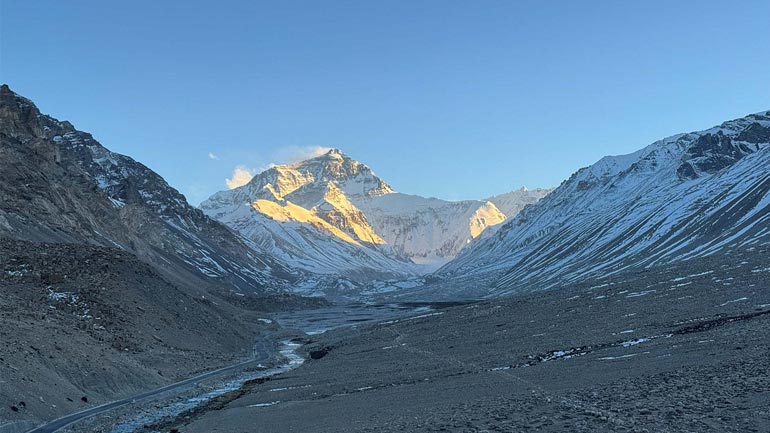
 The Golden Peaks on Mount Everest
Planning a trip to the "Roof of the World" involves one crucial question: What is the weather like in Tibet? Due to its massive elevation averaging over 4,500 meters (14,800 feet), Tibet experiences a unique high-plateau climate.
Contrary to the myth that Tibet is perpetually freezing and inaccessible, the region enjoys distinct seasons, intense sunlight, and surprisingly mild daytime temperatures in many areas. This comprehensive guide breaks down Tibet's weather, temperatures, and seasonal shifts to help you choose the perfect time for your journey.
Tibet’s climate is characterized by strong UV radiation, low air density, great diurnal temperature variations (the difference between day and night), and a clear distinction between dry and rainy seasons.
To give you an immediate snapshot of what to expect across major destinations like Lhasa, Shigatse, and Mount Everest, here is the annual weather data:
| Month | Avg Temp (°C / °F) | Rainfall (mm) | Season Category | Travel Recommendation |
| January | -2°C / 28°F | 0.5 mm | Deep Winter | Best for low crowds & clear Everest views) |
| February | 1°C / 34°F | 1.0 mm | Deep Winter | Tibetan New Year celebrations |
| March | 5°C / 41°F | 3.0 mm | Spring Transition | Nyingchi Peach Blossom Festival starts |
| April | 9°C / 48°F | 10.0 mm | Spring | Ideal for trekking and overland tours |
| May | 13°C / 55°F | 25.0 mm | Pre-Monsoon | Golden window for Mount Kailash Trek |
| June | 17°C / 63°F | 65.0 mm | Early Summer | Pleasant warmth, lush landscapes |
| July | 16°C / 61°F | 120.0 mm | Monsoon Peak | Highest oxygen levels, occasional night rain |
| August | 15°C / 59°F | 110.0 mm | Monsoon Peak | Horse racing festivals, green grasslands |
| September | 13°C / 55°F | 55.0 mm | Autumn Transition | Clear skies return, perfect hiking weather |
| October | 8°C / 46°F | 10.0 mm | Golden Autumn | Breathtaking fall colors and clear peaks |
| November | 3°C / 37°F | 2.0 mm | Early Winter | Dry, crisp air, excellent visibility |
| December | -1°C / 30°F | 0.5 mm | Deep Winter | | "Winter Tour Tibet" discounts & local pilgrims |
Spring is one of the most beautiful times to visit Tibet. As the ice melts, the valleys of Nyingchi transform into a sea of pink peach blossoms.
Weather: Temperatures rise rapidly during the day, though nights remain chilly. Wind speeds can be high on mountain passes.
Why Visit: Excellent visibility for viewing Himalayan peaks before the summer clouds arrive.
Summer is the peak tourist season in Tibet. While it is the rainy season, precipitation mostly occurs as nighttime showers, leaving the days pleasant for sightseeing.
Weather: Warmest time of the year (15°C to 23°C in Lhasa). Vegetation is at its peak, which increases the air’s oxygen content, making acclimatization easier.
Why Visit: Ideal for visiting high-altitude alpine lakes like Namtso and attending traditional festivals like the Shoton Festival.
Ask any seasoned traveler, and they will tell you autumn is the best time to visit Tibet.
Weather: Stable, dry, and exceptionally clear. Daytime temperatures are cool and comfortable, though nights drop close to freezing.
Why Visit: The foliage turns golden-yellow, and the absence of clouds provides a 99% success rate for viewing the peak of Mount Everest and Namcha Barwa.
Many people avoid winter, assuming it’s uninhabitable. In reality, cities like Lhasa enjoy over 300 sunny days a year, and January days often feel warmer than in New York or London due to intense solar radiation.
Weather: Cold and dry. Night temperatures consistently drop below freezing (-5°C to -15°C).
Why Visit: The "Winter Tour Tibet" policy often grants free or half-price entry to attractions like the Potala Palace. You will see more local Tibetan pilgrims than foreign tourists, offering an unmatched authentic cultural experience.
Tibet cannot be treated as a single weather zone. When planning your trip, consider these regional variations:
South & East (Nyingchi & Chamdo): Known as the "Switzerland of Tibet." Lower altitude, humid, and heavily forested. Winters are mild, and summers are lush.
Central Zone (Lhasa, Shigatse, Gyantse): The heart of cultural travel. Sunny and dry year-round with moderate winter temperatures during the daytime.
West & North (Ngari & Nagqu): Home to Mount Kailash and Changtang Grassland. Extremely high altitude (4,500m+). Bitterly cold, windy, and harsh winters. Even in summer, nights can freeze.
No. In major tourist areas like Lhasa and Nyingchi, summer daytime temperatures frequently reach 22°C to 25°C (72°F to 77°F), requiring only a T-shirt or light jacket.
The monsoon season runs from July to August. However, it rarely rains continuously all day. Most rain falls at night or as late afternoon thundershowers, meaning it won’t severely disrupt your daytime itinerary.
For a granular, week-by-week breakdown of temperatures, packing lists, and road conditions, explore our dedicated monthly climate guides:
| Tibet Weather in January | Tibet Weather in February | Tibet Weather in March |
| Tibet Weather in April | Tibet Weather in May | Tibet Weather in June |
| Tibet Weather in July | Tibet Weather in August | Tibet Weather in September |
| Tibet Weather in October | Tibet Weather in November | Tibet Weather in December |
Contact our local experts for free consultation on permits and itinerary planning.
 Group Tours
Experience the ultimate Tibet adventure. This 8-day tour takes you from the historic Potala Palace in Lhasa to the majestic North Face of Mt. Everest (5,200m). Explore Yamdrok Lake, Gyantse, and Shigatse with local expert guides. Small groups and private tours available.
From$930
View Details Group Tours
Embark on a legendary 7-day Himalayan overland tour from Lhasa to Kathmandu. Experience the Potala Palace, holy Lake Yamdrok, and an unforgettable night at Everest Base Camp before descending into Nepal. Daily departures, expert local Tibetan guides, and guaranteed Tibet permits.
From$930
View Details